Cannabinol, commonly referred to as CBN, is a minor cannabinoid that typically appears in very small amounts—often below 1%—within the cannabis plant. For many years, researchers regarded CBN primarily as a degradation by-product rather than a compound of independent interest.
In recent decades, however, renewed scientific attention has shifted how researchers view CBN. Today, CBN appears in academic literature, historical analyses, and market discussions related to cannabinoid science, plant chemistry, and product development.
This article provides an educational overview of CBN, including its discovery, chemical origin, and why it continues to attract research and commercial interest.
The Discovery of CBN
Although humans have used cannabis for thousands of years, scientists formally identified CBN in 1896. Researchers first isolated the compound from red oil distilled from Indian hemp, making it one of the earliest cannabinoids to be studied.
Later, in 1932, British chemist Robert Sidney Cahn partially described CBN’s chemical structure. This work laid the foundation for further investigation into cannabinoid chemistry.
In 1940, Sir Alexander R. Todd—later a Nobel Prize laureate—along with American organic chemist Roger Adams, independently isolated and purified CBN from hemp. Their studies also demonstrated a chemical relationship between CBN and THC (tetrahydrocannabinol). At the time, researchers speculated that CBN’s pharmacological profile warranted further scientific attention.
CBN and the Identification of THC
For several decades following its discovery, researchers mistakenly believed CBN to be the primary psychoactive compound in cannabis. This understanding changed in 1964, when Yechiel Gaoni and Raphael Mechoulam successfully isolated THC and identified it as the compound responsible for cannabis intoxication.
Subsequent research clarified that CBN forms through the oxidation and degradation of THC over time. As a result, aged cannabis material typically contains higher concentrations of CBN. Importantly, modern scientific literature describes CBN as non-intoxicating or only very mildly psychoactive, especially when compared to THC.
Scientific Research on Cannabinol (CBN)
Research into CBN remains early-stage and exploratory. Nevertheless, advances in cannabinoid science have prompted multiple institutions to examine CBN in laboratory and preclinical settings.
Ocular Research Context
One early study from the 1980s examined CBN in animal models to observe changes related to ocular pressure and tissue response. These experiments contributed to broader research discussions on how cannabinoids interact with ocular systems under controlled conditions.
Cellular and Microbiological Studies
Other laboratory studies have explored cannabinoids, including CBN, in cellular models. For example, researchers have examined cannabinoid interactions with bacterial strains and cellular growth mechanisms. These studies aim to understand chemical behaviour rather than establish clinical applications.
Feeding and Behavioural Models
In animal research, scientists have also examined CBN alongside other cannabinoids to observe changes in feeding behaviour. These studies provide insight into cannabinoid signalling pathways, although findings remain limited to experimental settings.
Importantly, results from laboratory and animal studies do not translate directly to human use. Researchers consistently emphasise the need for further clinical investigation.
Research Limitations and Safety Considerations
At present, human clinical data on CBN is limited. As a result, researchers caution against drawing firm conclusions about effects, safety, or applications.
The absence of widespread reports of adverse effects does not confirm safety. Instead, it reflects the early stage of research. This principle applies broadly across emerging cannabinoids and novel compounds.
Market Interest in CBN
In parallel with academic research, CBN has gained visibility in the commercial cannabinoid market. This interest stems from its classification as a minor cannabinoid and its presence in full-spectrum hemp products.
From a market perspective, CBN commonly appears in discussions related to:
CBN is commercially available in several formats, including oils, capsules, topical products, and vapour-based formulations. These products typically contain CBN in low concentrations and are often positioned within broader cannabinoid profiles.
Product Transparency and Quality Considerations
Because regulatory frameworks for hemp-derived products vary by region, product quality and transparency remain important topics in consumer education.
Educational sources often recommend verifying:
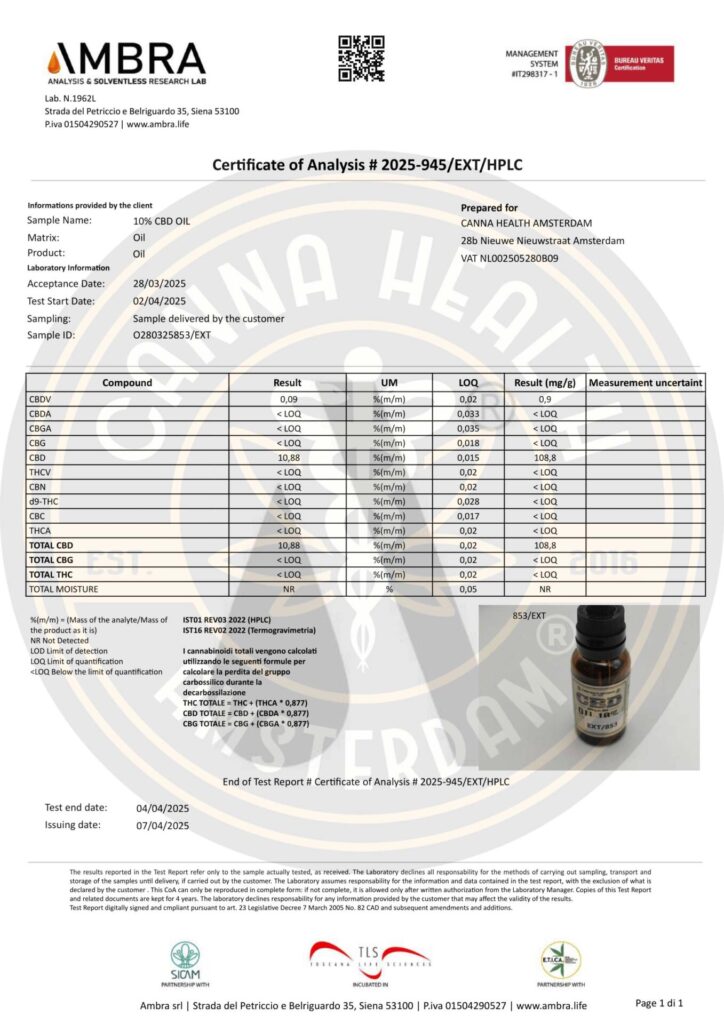
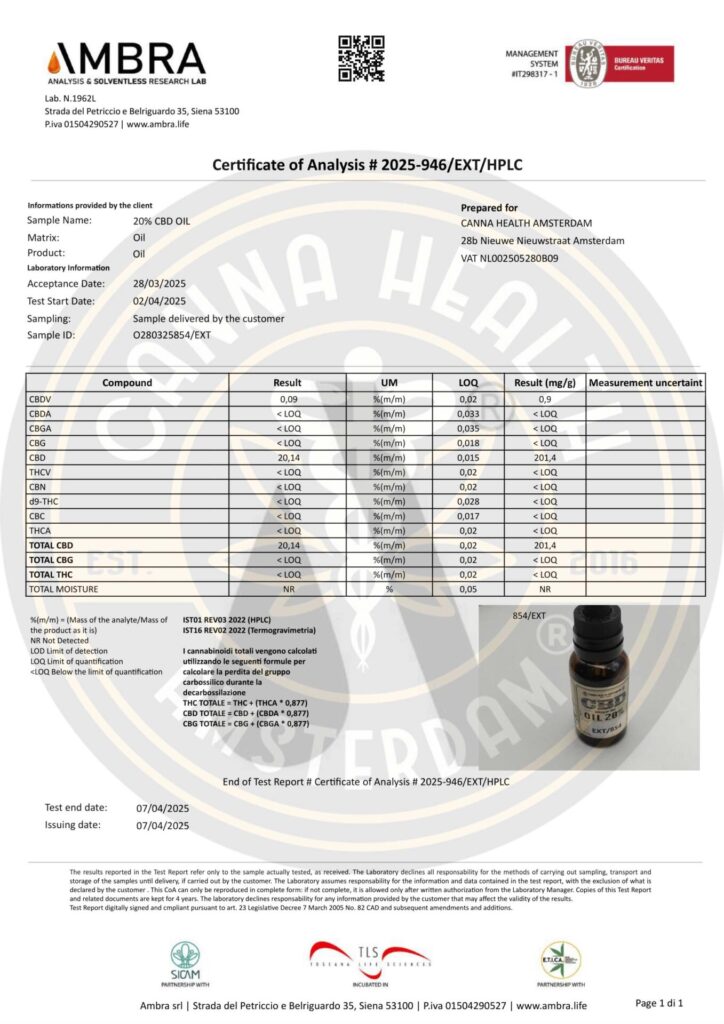
independent third-party laboratory testing
published Certificates of Analysis (COAs)
clear ingredient disclosure
These measures help ensure product consistency and manufacturing transparency, regardless of cannabinoid content.
Conclusion
Cannabinol (CBN) represents an early-discovered yet still developing area of cannabinoid science. From its historical isolation in the late 19th century to modern laboratory research and market interest, CBN continues to feature in discussions about cannabis chemistry and minor cannabinoids.
Although scientific exploration remains ongoing, understanding CBN’s background, formation, and research context provides valuable insight into why this compound continues to attract attention within cannabinoid research and product development.