


Cannabinol (CBN): Discovery, Research and Market Guide

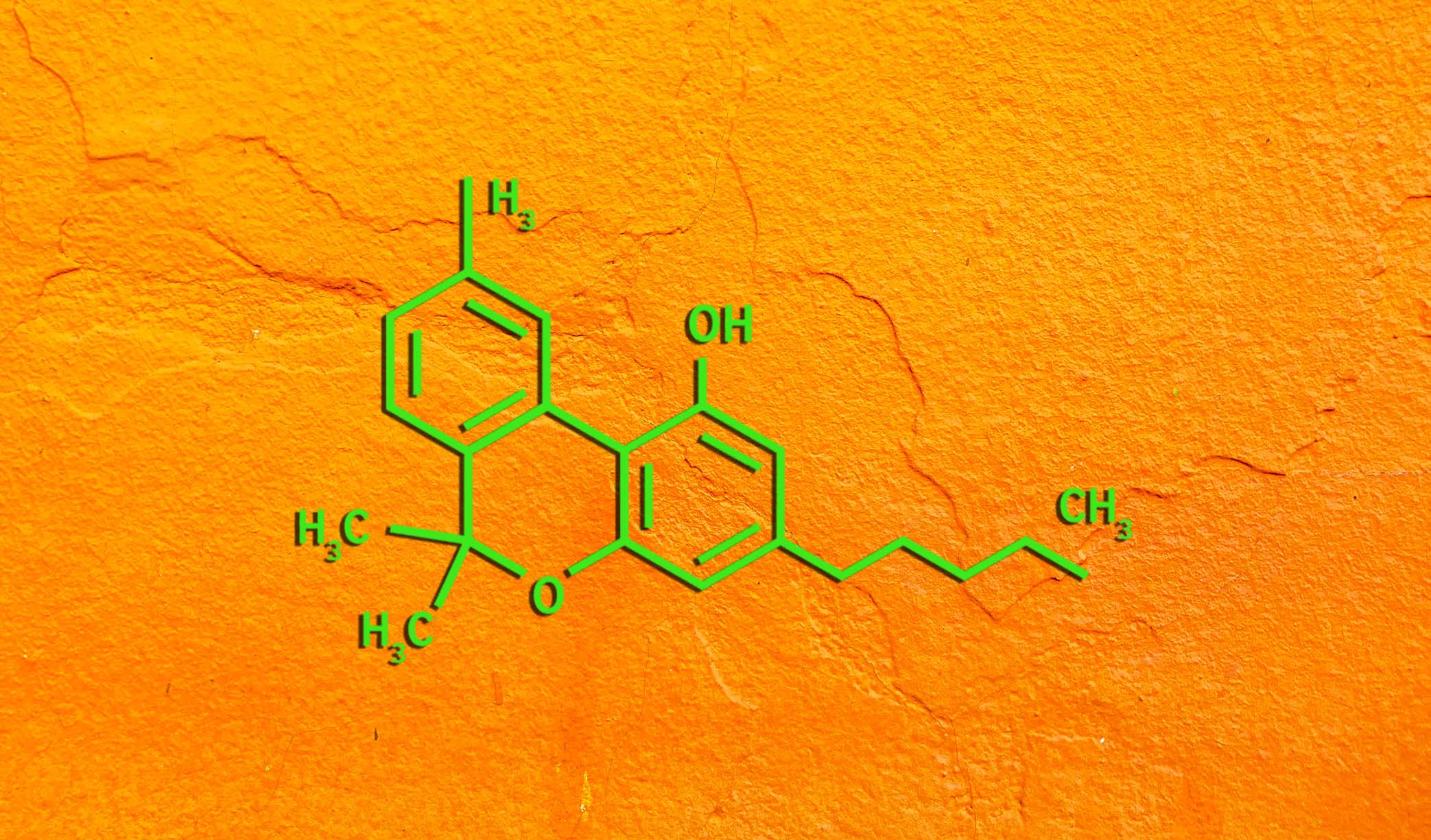
Cannabinol — better known as CBN — is one of the oldest discovered cannabinoids in science. Despite being a minor compound that appears in very small amounts in the cannabis plant, CBN has attracted renewed research interest and growing market attention in recent years.
This guide covers what cannabinol is, how scientists discovered it, how it forms in the plant, what early-stage research explores, and where it fits in today’s cannabinoid market. All content draws from publicly available scientific and historical sources and does not make medical claims.
What Is Cannabinol (CBN)?
CBN is a minor cannabinoid found naturally in the cannabis plant. It typically appears in very small amounts — often below 1% of the plant’s total cannabinoid content. For many years, researchers viewed CBN mainly as a breakdown by-product rather than a compound worth studying on its own.
That view has shifted. Today CBN appears in academic literature, historical analyses, and market discussions linked to cannabinoid science, plant chemistry, and product development. It sits within the group of minor cannabinoids that scientists study alongside the more widely known THC and CBD.
The Discovery of CBN: A Brief History
Although humans have used cannabis for thousands of years, scientists formally identified CBN in 1896. Researchers first isolated the compound from red oil distilled from Indian hemp — making CBN one of the earliest cannabinoids ever studied.
1932: Robert Sidney Cahn Describes CBN’s Structure
In 1932, British chemist Robert Sidney Cahn partly described CBN’s chemical structure. This work laid the groundwork for deeper study into cannabinoid chemistry and gave other scientists a basis to build on.
1940: Sir Alexander Todd and Roger Adams Isolate CBN
In 1940, Sir Alexander R. Todd — later a Nobel Prize winner — and American organic chemist Roger Adams independently isolated and purified CBN from hemp. Their studies also showed a chemical link between CBN and THC. At the time, researchers believed CBN’s profile was worth much more study.
1964: THC Identified — CBN’s Role Clarified
For decades after its discovery, researchers mistakenly thought CBN was the main psychoactive compound in cannabis. This changed in 1964, when Yechiel Gaoni and Raphael Mechoulam isolated THC and confirmed it as the compound behind cannabis intoxication.
Later research then confirmed that CBN forms through the oxidation and breakdown of THC over time. Aged cannabis material tends to contain higher levels of CBN as a result. Modern science describes CBN as non-intoxicating or only very mildly psychoactive — far weaker than THC.
How Does CBN Form in the Cannabis Plant?
Unlike CBD or THC, the cannabis plant does not make CBN directly. Instead, CBN forms when THC breaks down through exposure to heat, light, and oxygen over time. This is what makes CBN unique among cannabinoids — it is a product of chemical change rather than direct plant production.
Because of this, CBN typically appears in older or aged cannabis material in larger amounts. Fresh plant material contains very little CBN. The concentration grows as THC degrades.
What Do Researchers Study in Relation to CBN?
CBN research stays at an early and exploratory stage. Advances in cannabinoid science have led several institutions to study CBN in lab and preclinical settings. These studies focus on understanding biological mechanisms, not on establishing approved health uses.
Ocular Research
An early study from the 1980s looked at CBN in animal models to observe changes related to eye pressure and tissue response. These experiments added to broader research on how cannabinoids interact with ocular systems under controlled conditions.
Cellular and Microbiological Studies
Other lab studies look at cannabinoids including CBN in cellular models. Researchers examine how they interact with bacterial strains and cellular growth. These studies aim to understand chemical behaviour rather than produce clinical applications.
Feeding and Behavioural Models
In animal research, scientists have studied CBN alongside other cannabinoids to observe changes in feeding behaviour. These studies give insight into cannabinoid signalling pathways. Findings stay within experimental settings and do not apply directly to humans.
Research Limitations: What the Science Cannot Yet Confirm
Human clinical data on CBN is still very limited. Researchers caution against drawing firm conclusions about effects, safety, or applications at this stage. The lack of widely reported side effects does not confirm safety — it simply reflects how early this research still is. This is true across many emerging cannabinoids.
CBN in the Cannabinoid Market
Alongside academic research, CBN has gained real visibility in the commercial cannabinoid market. Its status as a minor cannabinoid and its presence in full-spectrum hemp products drive much of this interest. CBN commonly shows up in market discussions around:
- Cannabinoid blends and combination formulations
- Full-spectrum hemp products
- Product differentiation within the CBD market
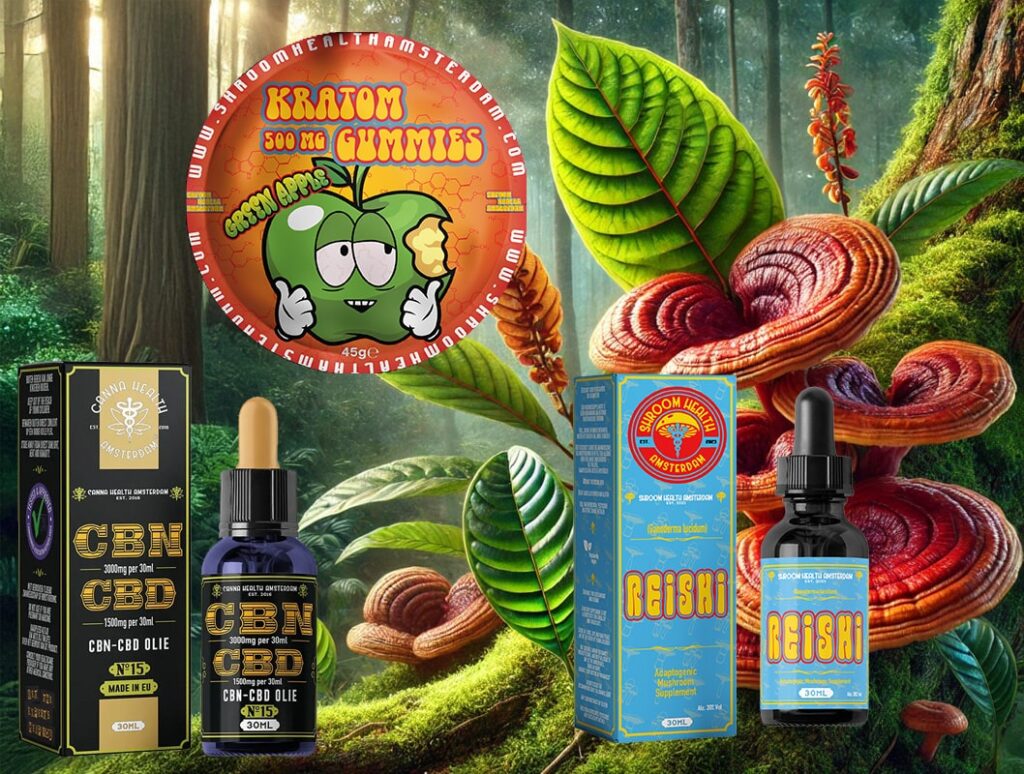
CBN is now commercially available in several formats including oils, capsules, topical products, and vapour-based formulations. These products typically contain CBN in low concentrations and often sit within broader cannabinoid profiles.
Product Transparency and Quality
Because rules around hemp-derived products vary by region, product quality and transparency matter a lot to consumers. When looking at any CBN product, educational sources recommend checking for:
- Independent third-party lab testing results
- Published Certificates of Analysis (COAs)
- Clear ingredient disclosure on the label
These checks help confirm product consistency and manufacturing transparency regardless of cannabinoid content.
Frequently Asked Questions About Cannabinol (CBN)
When did scientists discover CBN?
Scientists first identified CBN in 1896, making it one of the earliest cannabinoids ever formally studied. Robert Sidney Cahn partly described its structure in 1932, and Sir Alexander Todd and Roger Adams independently isolated and purified it in 1940.
Is CBN the same as THC?
No. CBN forms when THC breaks down over time. They share a chemical relationship but are different compounds. THC is widely known as psychoactive. CBN is non-intoxicating or only very mildly psychoactive in comparison.
Does CBN appear in full-spectrum CBD products?
Yes. Full-spectrum hemp products contain the full range of cannabinoids found in the plant, which includes trace amounts of CBN alongside CBD, THC, CBG, and others. CBN levels in fresh hemp are typically very low — under 1%.
What should I look for when buying a CBN product?
Look for products that publish a Certificate of Analysis (COA) from an independent lab. This confirms what the product actually contains. Check for clear ingredient lists and transparent manufacturing information. Regulatory standards vary by country so always check local rules first.
Who were the key scientists in CBN research?
Key figures include Robert Sidney Cahn who described CBN’s structure in 1932, Sir Alexander Todd and Roger Adams who isolated it in 1940, and Yechiel Gaoni and Raphael Mechoulam who identified THC in 1964 — which in turn clarified CBN’s true role within the plant.
Conclusion
Cannabinol (CBN) is one of the earliest discovered yet still developing areas of cannabinoid science. From its first isolation in 1896 to modern lab research and growing market presence, CBN keeps appearing in discussions about cannabis chemistry and minor cannabinoids.
Scientific exploration of CBN remains ongoing. Understanding its background, how it forms, and its current research context helps explain why this compound keeps attracting attention in both science and commerce. This article covers all of that from an educational standpoint only and does not make health claims of any kind.
Disclaimer: This blog is for informational and educational purposes only. We review and reference available studies and reputable sources; however, content may not reflect the most current research or regulations and should not be taken as medical, legal, or professional advice. We do not make or imply health claims. Products mentioned are not intended to diagnose, treat, cure, or prevent any disease and statements have not been evaluated by EFSA or the FDA. Effects can vary between individuals. Always consult a qualified healthcare professional before use and verify that any product or ingredient is lawful in your jurisdiction.