


Cannabis and Epilepsy: What Does Current Research Show?

This article provides an overview of scientific research on cannabis and epilepsy. It does not offer medical advice. Epilepsy is a serious neurological condition requiring specialist care. Anyone with epilepsy, or anyone caring for someone with epilepsy, should work closely with a qualified neurologist before making any decisions about treatment or supplementation.
Cannabis and epilepsy research has attracted significant scientific attention over the past decade. CBD — cannabidiol, a non-intoxicating cannabinoid found in the cannabis plant — has emerged as the most studied cannabinoid in this context. Research has explored CBD’s potential role in seizure management across several epilepsy syndromes. Notably, one CBD-based medication has received regulatory approval in the United States, making it the most clinically validated cannabinoid application in existence.
This article covers what current research examines about cannabis and epilepsy, how CBD interacts with neurological pathways relevant to seizure activity, and what the regulatory approval of Epidiolex means in clinical terms.
What Is Epilepsy?
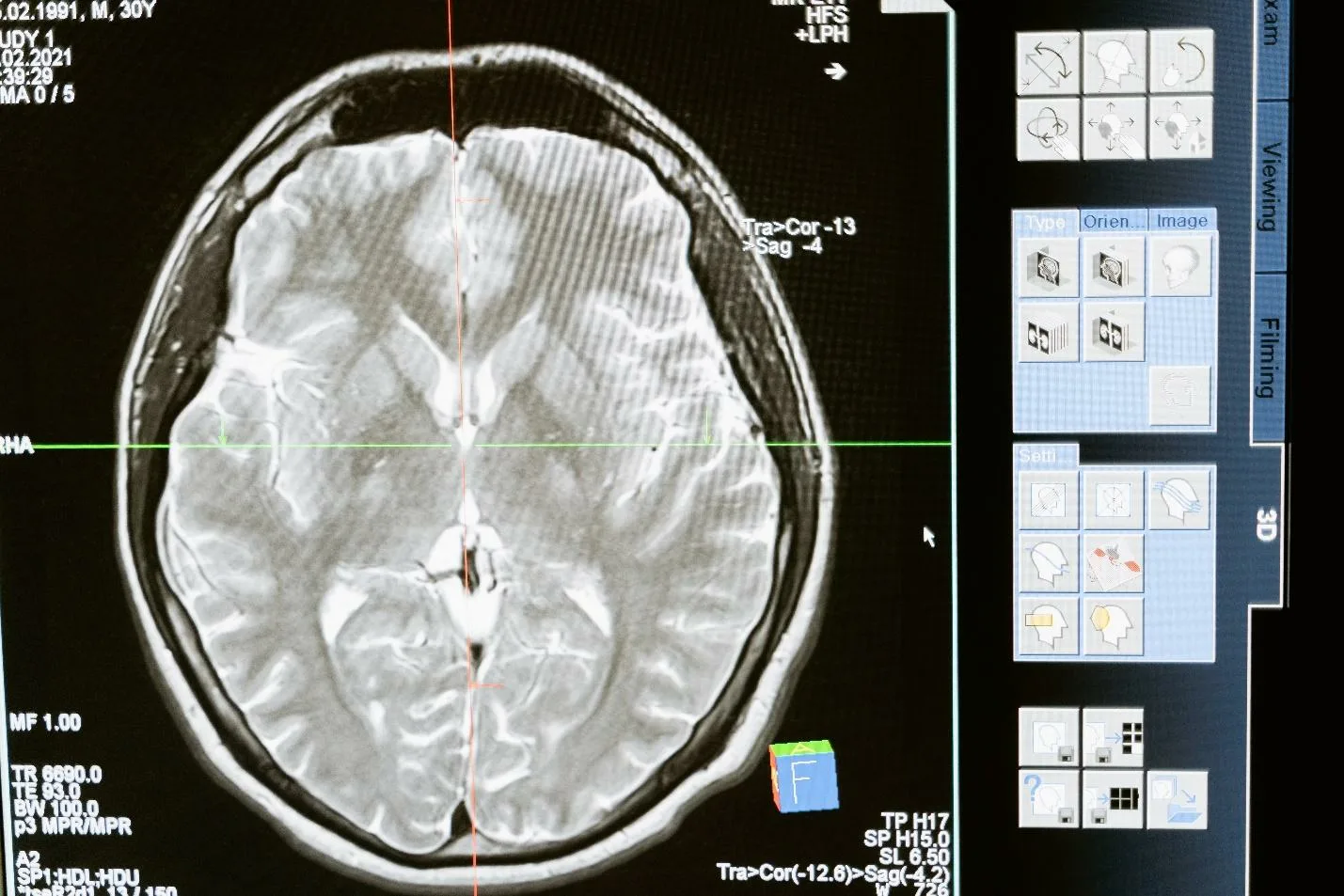
Epilepsy is a neurological disorder defined by recurring, unprovoked seizures. A seizure occurs when a sudden surge of excessive electrical activity disrupts normal brain function. This disruption can affect movement, awareness, behaviour, and sensation — depending on where in the brain the electrical activity originates and how widely it spreads.
Clinicians typically diagnose epilepsy when a person has experienced two or more unprovoked seizures, or one unprovoked seizure with a high likelihood of recurrence. Epilepsy encompasses many distinct syndromes and seizure types. Some are mild and well-controlled with medication. Others — particularly treatment-resistant forms such as Dravet syndrome and Lennox-Gastaut syndrome — are severe and difficult to manage with standard antiseizure drugs.
Standard treatment approaches include antiseizure medications, dietary therapies such as the ketogenic diet, certain medical devices, and in some cases surgery. However, a significant proportion of people with epilepsy do not achieve adequate seizure control with available treatments — which is one reason alternative research pathways attract scientific interest.
How Does CBD Interact with Seizure-Related Pathways?
Researchers study CBD in epilepsy through several biological mechanisms. Unlike THC, CBD does not produce intoxicating effects and does not act primarily through CB1 receptor activation. Instead, CBD interacts with a broader set of biological targets — several of which are relevant to seizure activity.
The mechanisms researchers study most closely in this context include:
- Anti-inflammatory and antioxidant activity: Neuroinflammation and oxidative stress contribute to seizure generation and neuronal damage in several epilepsy syndromes. Researchers study whether CBD’s anti-inflammatory and antioxidant properties interact with these processes.
- Neuroprotective properties: Preclinical studies examine whether CBD protects neurons from damage associated with repeated seizure activity. This is particularly relevant in progressive epilepsy syndromes.
- Modulation of neuronal excitability: Researchers investigate whether CBD influences the balance between neuronal excitation and inhibition — a balance that breaks down in epilepsy. Specific receptor systems under study include TRPV1 channels, GPR55 receptors, and glycine receptors.
- Interaction with sodium channels: Some research examines CBD’s potential interaction with voltage-gated sodium channels, which play a role in action potential generation and therefore in seizure onset.
Researchers do not yet fully understand the precise mechanism through which CBD affects seizure activity. The existing evidence points toward multiple interacting pathways rather than a single mechanism. This complexity is one reason why clinical research remains ongoing.
Epidiolex: The FDA-Approved CBD-Based Prescription Medication
Epidiolex is a prescription medication approved by the US Food and Drug Administration (FDA). It contains purified CBD as its active ingredient and is approved for three specific epilepsy conditions:
- Dravet syndrome — a severe, treatment-resistant epilepsy syndrome that typically begins in infancy
- Lennox-Gastaut syndrome (LGS) — a severe form of childhood epilepsy characterised by multiple seizure types
- Tuberous sclerosis complex (TSC) — a genetic disorder that causes non-cancerous growths and frequently causes epilepsy
Epidiolex is a pharmaceutical-grade prescription drug — not a CBD supplement. Its FDA approval followed multiple large randomised controlled trials demonstrating statistically significant reductions in seizure frequency in each of the three conditions. These trials involved hundreds of patients across multiple centres and represented the most rigorous clinical evidence for any cannabinoid application to date.
Epidiolex is not available over the counter. It requires a prescription from a qualified physician and carries prescribing information that details its side effects, drug interactions, and contraindications. It is not equivalent to a CBD supplement, and CBD supplements are not equivalent to Epidiolex.
CBD and Antiseizure Medications: What Research Explores
Some research examines how CBD interacts with standard antiseizure medications. A study published in the journal Epilepsy and Behavior by researchers at Johns Hopkins Medicine examined patients with epilepsy who used CBD alongside their existing medication regimen. Researchers observed that patients who used CBD reported improvements in depression, sleep, and anxiety, as well as fewer reported negative side effects from their epilepsy medications.
However, CBD also has documented interactions with certain antiseizure drugs. CBD can increase blood levels of some medications — including clobazam — which may require dose adjustments under medical supervision. This is a clinically significant interaction, not a minor concern. The study’s authors emphasised that patients should not modify their medication regimens based on these findings without specialist guidance.
Anyone with epilepsy who is considering CBD — whether as a supplement or as part of a conversation with their neurologist about Epidiolex — must discuss this with their treating physician before making any changes. Drug interactions in epilepsy management carry real clinical risk.
Research Limitations and What Remains Unknown
The evidence base for cannabis and epilepsy is stronger than for almost any other cannabinoid research area — primarily because of the Epidiolex trial programme. Nevertheless, important limitations remain:
- Epidiolex trials focused on specific, severe childhood epilepsy syndromes — findings do not automatically apply to all epilepsy types
- The precise mechanisms through which CBD affects seizure activity remain incompletely understood
- Long-term safety data for CBD use in epilepsy is still accumulating
- CBD’s interactions with the full range of antiseizure medications are not yet fully characterised
- CBD supplements are not clinically equivalent to pharmaceutical-grade Epidiolex
Conclusion
Cannabis and epilepsy research represents the most clinically advanced area of cannabinoid science. CBD’s approval in Epidiolex — following large, rigorous randomised controlled trials — establishes it as a validated pharmaceutical for specific, severe epilepsy syndromes. This is a meaningful distinction from the broader cannabinoid research landscape, where most findings remain preclinical.
Research into CBD’s mechanisms in seizure activity continues, and additional applications may emerge as the science develops. For anyone affected by epilepsy, all decisions about treatment — including any consideration of cannabinoids — should happen in close collaboration with a specialist neurologist.
References
- Devinsky O, et al. (2017). Trial of cannabidiol for drug-resistant seizures in the Dravet syndrome. New England Journal of Medicine, 376(21), 2011–2020. PubMed ↗
- Thiele EA, et al. (2018). Cannabidiol in patients with seizures associated with Lennox-Gastaut syndrome: a randomised, double-blind, placebo-controlled phase 3 trial. The Lancet, 391(10125), 1085–1096. PubMed ↗
- Devinsky O, et al. (2019). Cannabidiol in Dravet syndrome: an open-label extension study. Epilepsia, 60(3), 475–482. PubMed ↗
- Szaflarski JP, et al. (2020). Cannabidiol improves frequency and severity of seizures and reduces adverse events associated with antiepileptic drugs. Epilepsy and Behavior, 112, 107396. PubMed ↗
- Lattanzi S, et al. (2021). Cannabidiol efficacy and clobazam status: a systematic review and meta-analysis. Epilepsia, 62(6), 1299–1310. [CBD-clobazam interaction reference] PubMed ↗
Frequently Asked Questions About Cannabis and Epilepsy
Is there an approved cannabis-based medication for epilepsy?
Yes. Epidiolex is an FDA-approved prescription medication containing purified CBD. It is approved for three specific epilepsy conditions: Dravet syndrome, Lennox-Gastaut syndrome, and tuberous sclerosis complex. Epidiolex is a pharmaceutical-grade prescription drug — it is not the same as a CBD supplement and requires a prescription from a qualified physician.
How does CBD interact with seizure activity?
Researchers study several mechanisms. These include CBD’s anti-inflammatory and antioxidant properties, its potential neuroprotective effects, its interaction with neuronal excitability pathways including TRPV1 channels and GPR55 receptors, and possible effects on voltage-gated sodium channels involved in action potential generation. Researchers do not yet fully understand the precise mechanism. Evidence points toward multiple interacting pathways rather than a single route of action.
Can CBD interact with antiseizure medications?
Yes. CBD has documented interactions with certain antiseizure medications. Notably, CBD can increase blood levels of clobazam, which may require dose adjustments. This is a clinically significant interaction. Anyone with epilepsy who is considering CBD must discuss this with their treating neurologist before making any changes to their treatment regimen.
Is CBD safe for people with epilepsy?
This question requires individual assessment by a qualified neurologist. CBD has known drug interactions with some antiseizure medications. Epidiolex — the pharmaceutical-grade CBD medication — carries prescribing information detailing its side effects, drug interactions, and contraindications. CBD supplements are not equivalent to Epidiolex and have not undergone the same clinical scrutiny. No one with epilepsy should add or change any supplement or medication without specialist medical guidance.
Where can I find support and information about epilepsy?
Your specialist neurologist is the primary point of contact for epilepsy management. Additional resources include the Epilepsy Foundation (epilepsy.com), Epilepsy Society UK (epilepsysociety.org.uk), and Epilepsy Netherlands (epilepsie.nl). These organisations provide patient resources, research updates, and clinical guidance.
Disclaimer: This blog is for informational and educational purposes only. We review and reference available studies and reputable sources; however, content may not reflect the most current research or regulations and should not be taken as medical, legal, or professional advice. We do not make or imply health claims. Products mentioned are not intended to diagnose, treat, cure, or prevent any disease and statements have not been evaluated by EFSA or the FDA. Effects can vary between individuals. Always consult a qualified healthcare professional before use and verify that any product or ingredient is lawful in your jurisdiction.