



Cannabis and Multiple Sclerosis: What Does Research Show?

This article provides an overview of scientific research on cannabis and multiple sclerosis. It does not constitute medical advice. Anyone with MS should work closely with their neurologist before making any decisions about treatment or supplementation.
Cannabis and multiple sclerosis research has a longer clinical history than most cannabinoid research areas. One cannabis-based medication — Sativex — has received regulatory approval in several European countries specifically for MS-related spasticity. Beyond that approval, researchers continue to examine CBD, CBG, and other cannabinoids in relation to the broader range of MS symptoms, including pain, fatigue, and neurodegeneration.
This article covers what MS is, what the approved cannabis-based medication involves, and what current research explores about cannabinoids and MS symptoms.
What Is Multiple Sclerosis?
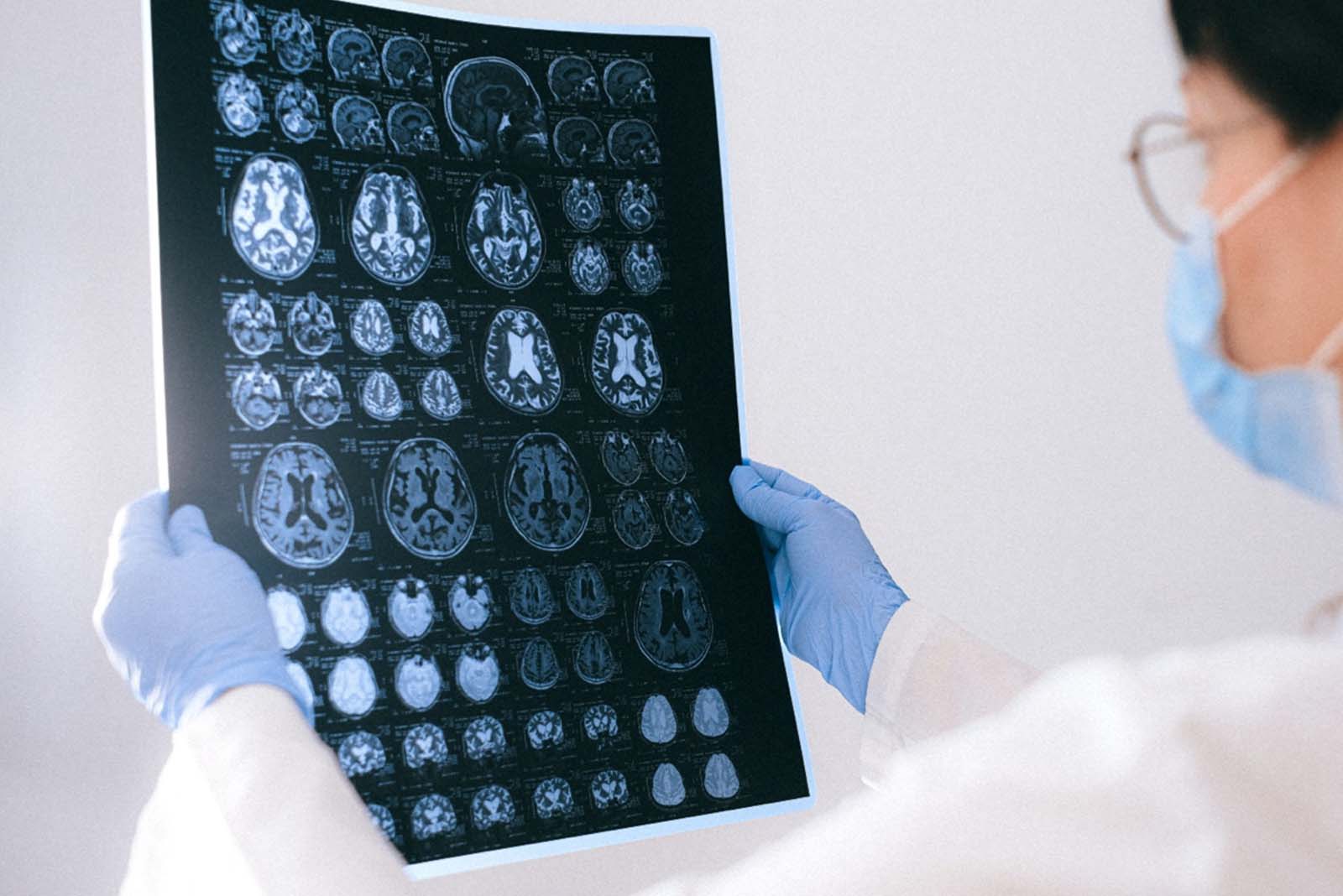
Multiple sclerosis is an autoimmune disease affecting the brain, spinal cord, and optic nerves — together called the central nervous system. In MS, the immune system attacks myelin, the protective sheath surrounding nerve fibres. This disrupts communication between the brain and the rest of the body. Over time, it causes permanent nerve damage.
MS affects approximately 2.8 million people worldwide. Symptoms vary significantly depending on which nerve fibres are affected. Common symptoms include numbness or weakness in the limbs, fatigue, visual disturbances, tremors, coordination problems, slurred speech, dizziness, and bladder or bowel dysfunction. In severe cases, MS can cause loss of mobility or vision.
Most people with MS experience a relapsing-remitting course — periods of new or worsening symptoms followed by recovery phases lasting months or years. Others experience a progressive form where symptoms worsen steadily without clear relapses. There is currently no cure for MS. Treatment focuses on managing relapses, slowing progression, and alleviating symptoms.
Sativex: The Approved Cannabis-Based Medication for MS Spasticity
Sativex — generic name nabiximols — is an oromucosal spray containing CBD and THC in a 1:1 ratio. It is the only cannabis-based medication approved for MS in multiple European countries, including the Netherlands, the United Kingdom, and Germany. In the Netherlands, Sativex has regulatory approval as an add-on treatment for moderate to severe spasticity in adults with MS who have not responded adequately to standard antispasticity therapy.
Sativex’s approval followed a programme of randomised controlled trials demonstrating statistically significant reductions in patient-reported spasticity compared to placebo. This makes it the most clinically validated cannabinoid application in European MS care. Sativex is a prescription medication — not a CBD supplement — and requires specialist assessment to prescribe.
What Does Broader Cannabinoid Research Explore in MS?
Beyond Sativex’s approved indication, researchers study cannabinoids in relation to several other dimensions of MS pathology and symptom burden.
Pain and Sleep Research
A randomised controlled trial by Rog et al. (2005), published in Neurology, examined Sativex in MS patients with central neuropathic pain. Researchers observed significant reductions in pain and sleep disturbance scores compared to placebo. This study contributed to the growing evidence base for cannabis-based medicine in MS and remains one of the most cited studies in this area.
Spasticity and Mobility Research
Spasticity — involuntary muscle stiffness and spasms — is the primary target of Sativex’s approval. Additional research explores the mechanisms through which cannabinoids interact with spasticity pathways. Furthermore, some studies examine mobility outcomes in MS patients using cannabis-based medicines. Results are promising in several trials, though researchers note that study designs vary and further large-scale research is needed.
Neuroprotection and Neuroinflammation Research
MS involves chronic neuroinflammation and progressive neurodegeneration. Consequently, both CBD and CBG appear in preclinical research examining neuroprotective and anti-inflammatory activity. A 2015 study by Valdeolivas et al. examined CBG in a mouse model of neurodegeneration and found that CBG exhibited neuroprotective properties — it reduced neuroinflammation markers and protected neurons in that experimental model. As with all animal model findings, human clinical validation is required before any clinical conclusions apply.
Fatigue Research
Fatigue affects the majority of people with MS and is difficult to manage with standard treatments. Some research examines patient-reported fatigue outcomes in cannabis users with MS. Observational data suggests improvements in some patients. However, rigorous controlled trial data specifically examining cannabinoids and MS-related fatigue remains limited.
Research Limitations
The cannabis and MS field has more clinical depth than most cannabinoid research areas. Nevertheless, several limitations apply:
- Sativex trials focused on spasticity — findings do not automatically extend to other MS symptoms
- CBD-only studies in MS populations are fewer and smaller than the combined CBD/THC Sativex literature
- CBG research in MS is predominantly preclinical — animal models, not human trials
- Observational studies cannot establish causation and are subject to reporting bias
- CBD supplements are not equivalent to pharmaceutical-grade Sativex or other cannabinoid medications
- Long-term safety data for CBD use in MS populations remains limited
Drug Interactions
People with MS typically take disease-modifying therapies and other medications. CBD interacts with the cytochrome P450 enzyme system that metabolises many drugs. As a result, CBD can affect blood levels of certain medications — potentially altering their efficacy or side effect profile. Anyone with MS who is considering CBD must discuss this with their neurologist before making any changes.
Conclusion
Cannabis and MS research occupies a unique position in cannabinoid science. The approval of Sativex for MS-related spasticity in multiple European countries represents strong regulatory validation. Beyond spasticity, researchers continue to examine CBD and CBG in relation to pain, neuroinflammation, neuroprotection, and fatigue — with promising but still early-stage findings.
For anyone with MS, all decisions about treatment — including any interest in cannabinoids, whether prescription Sativex or CBD supplements — should happen in close collaboration with a specialist neurologist.
References
- Rog DJ, et al. (2005). Randomized, controlled trial of cannabis-based medicine in central pain in multiple sclerosis. Neurology, 65(6), 812–819. PubMed ↗
- Collin C, et al. (2007). Randomised controlled trial of cannabis-based medicinal product (Sativex) in spasticity caused by multiple sclerosis. European Journal of Neurology, 14(3), 290–296. PubMed ↗
- Rudroff T, Sosnoff J. (2018). Cannabidiol to improve mobility in people with multiple sclerosis. Frontiers in Neurology, 9, 183. PubMed ↗
- Valdeolivas S, et al. (2015). Neuroprotective properties of cannabigerol in Huntington’s disease models. Neurotherapeutics, 12(1), 185–199. PubMed ↗
- Iffland K, Grotenhermen F. (2017). An update on safety and side effects of cannabidiol. Cannabis and Cannabinoid Research, 2(1), 139–154. PubMed ↗
Frequently Asked Questions About Cannabis and Multiple Sclerosis
Is there an approved cannabis-based medication for multiple sclerosis?
Yes. Sativex (nabiximols) is a prescription oromucosal spray containing CBD and THC in a 1:1 ratio, approved in several European countries including the Netherlands, UK, and Germany as an add-on treatment for moderate to severe MS-related spasticity. It is a prescription medication — not a CBD supplement — and requires specialist assessment to prescribe.
What MS symptoms does cannabis research explore?
Researchers examine cannabinoids in relation to spasticity (the primary Sativex indication), central neuropathic pain, sleep disturbance, fatigue, mobility, neuroinflammation, and neuroprotection. Evidence varies considerably across areas — spasticity has the strongest clinical trial base; CBG neuroprotection research remains preclinical.
Can CBD supplements help with MS?
CBD supplements are not approved treatments for MS or any of its symptoms. They are not equivalent to Sativex. Some preclinical and observational research explores CBD in MS contexts, but rigorous controlled trials are limited. Anyone with MS who is considering CBD should consult their neurologist — particularly given potential drug interactions with MS medications.
Can CBD interact with MS medications?
Yes. CBD interacts with the cytochrome P450 enzyme system that metabolises many medications, including some disease-modifying therapies used in MS. This means CBD can affect blood levels of certain drugs. Anyone with MS must consult their neurologist before introducing CBD alongside their existing treatment regimen.
Where can I find support for multiple sclerosis?
Your specialist neurologist is the primary point of contact. MS Nederland (msnederland.nl) provides Dutch-language support. MS International Federation (msif.org) offers global resources. MS Society UK (mssociety.org.uk) provides comprehensive English-language patient resources.
Disclaimer: This blog is for informational and educational purposes only. We review and reference available studies and reputable sources; however, content may not reflect the most current research or regulations and should not be taken as medical, legal, or professional advice. We do not make or imply health claims. Products mentioned are not intended to diagnose, treat, cure, or prevent any disease and statements have not been evaluated by EFSA or the FDA. Effects can vary between individuals. Always consult a qualified healthcare professional before use and verify that any product or ingredient is lawful in your jurisdiction.