


CBD and Your Period: What Does the Research Say?

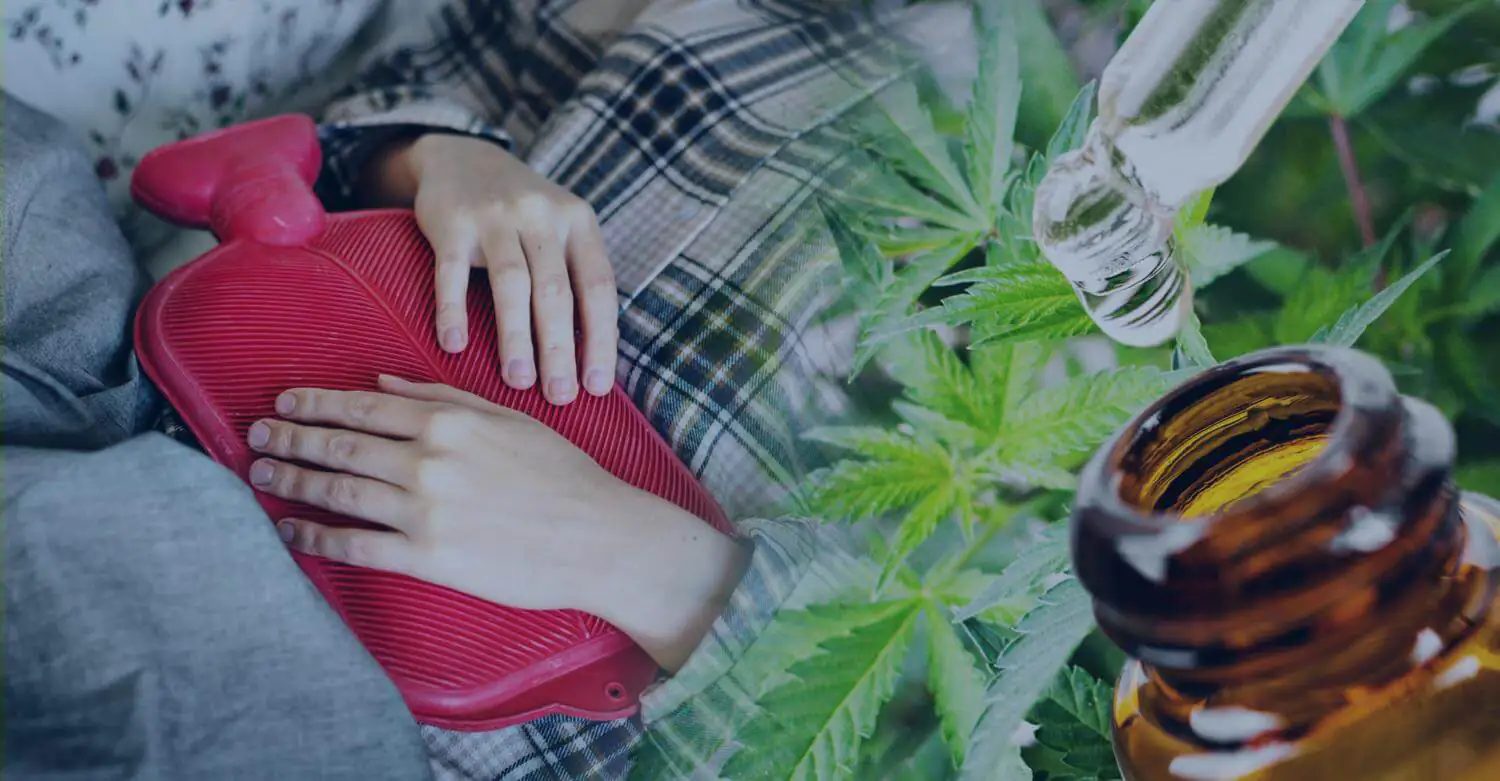
CBD and periods is a topic that comes up often in wellness and research discussions. People who are new to CBD products often want to know how scientists discuss cannabidiol in relation to menstrual cycles, physical discomfort, and stress.
This article gives an educational overview of how CBD appears in scientific literature connected to menstruation. It does not offer personal advice or make medical claims. All content draws from publicly available research.
Talking Openly About Menstrual Cycles
Menstrual cycles have long been a sensitive topic in many cultures. But conversations around menstruation have opened up a lot in recent years. More people now look for educational resources about physical changes, comfort strategies, and general well-being during their cycle.
It is worth noting that menstrual experiences vary widely from person to person. Some people feel minimal discomfort. Others report more challenging symptoms. Because of this, researchers always stress that individual experiences differ a great deal.
Common Approaches to Menstrual Comfort
People have used many non-medical methods to manage discomfort during their cycle for a long time. The most common ones that appear in lifestyle discussions include:
- Heat application such as hot water bottles or heat patches
- Warm baths to ease muscle tension
- Herbal teas like ginger, chamomile, or peppermint
- Rest and relaxation techniques including light stretching or breathing exercises
These approaches work well at home but are not always practical at work or while travelling. This is one reason why interest in other wellness topics — including CBD — has grown in recent years.
What Is CBD?
CBD stands for cannabidiol. It is a natural compound found in the cannabis plant. Another well-known compound from the same plant is THC (tetrahydrocannabinol). Science classes THC as psychoactive. CBD, by contrast, does not cause intoxication. Scientific literature looks at how CBD interacts with various biological systems. These discussions focus on molecular mechanisms and observations, not approved medical outcomes.
CBD and the Endocannabinoid System
Researchers often study CBD in the context of the endocannabinoid system (ECS). The ECS is a biological network inside the human body that helps maintain internal balance. Scientists link the ECS to a wide range of body processes, including:
- Pain perception
- Immune response
- Mood regulation
- Stress-related pathways
Because the ECS covers such a broad range of functions, CBD appears in many areas of academic literature. Researchers study how plant-based compounds like CBD interact with naturally occurring systems in the body.
CBD, Inflammation, and Research Context
Inflammation is a key topic in scientific research on physical discomfort and biological stress responses. CBD appears often in studies that look at inflammation-related mechanisms in lab and observational settings.
These research discussions do not establish any treatment claims. Their goal is to understand how compounds like CBD interact with biological pathways under controlled conditions. Menstrual discomfort links to inflammation in some research models, which is why CBD and periods appear together in scientific literature.
CBD, Mood, and Relaxation: What Science Explores
CBD also appears in research on mood and stress-related processes. In these studies, scientists look at how CBD interacts with non-cannabinoid receptors and signalling pathways in the body. Researchers also study how the ECS connects to mood, memory, appetite, and pain perception.
These areas of interest help explain why CBD shows up in academic discussions linked to both mental and physical states. No confirmed outcomes come from this work — it remains an active research area.
Common Forms of CBD
CBD comes in many formats. The most commonly discussed in consumer and research settings are:
- CBD oils and tinctures
- Capsules and softgels
- Gummies and edibles
- Vapour-based products
- Topical creams and balms
From a research standpoint, scientists discuss these formats in terms of delivery methods and how consistent each format is in controlled settings. This article does not give instructions on how to use any CBD product.
Availability and Legal Context
CBD products are legally available in many countries, including parts of Europe and the United States, as long as they meet local rules. Laws differ by country and region, especially around THC limits and how products are classified. Always check the regulations in your area before you buy or use any CBD product.
Frequently Asked Questions About CBD and Periods
Does science link CBD to menstrual discomfort?
Some scientific literature discusses CBD in relation to inflammation and pain perception — two areas that researchers also link to menstrual discomfort. However, these discussions describe lab observations and research models. They do not represent approved medical treatments.
Is CBD safe to use during your period?
This article does not give personal health advice. If you want to know whether CBD is right for you, speak to a qualified healthcare professional. They can give you guidance based on your specific situation and local regulations.
What is the endocannabinoid system?
The endocannabinoid system (ECS) is a biological network in the human body. It helps maintain internal balance across many body functions. Scientists study the ECS in relation to pain, mood, immune response, and more. CBD interacts with this system, which is why researchers study both together.
What forms of CBD do people use?
CBD comes in oils, capsules, gummies, topicals, and vapour products. Each format has a different delivery method. Research discusses these formats in terms of consistency and formulation rather than specific use instructions.
Conclusion
CBD and periods is a topic that keeps growing in both scientific and wellness discussions. Researchers study how CBD interacts with the endocannabinoid system, inflammation pathways, and mood-related processes. These studies focus on biological mechanisms, not approved health outcomes.
By looking at this topic from an educational standpoint, readers can understand why CBD appears in ongoing research connected to menstrual cycles — while recognising that individual experiences and local laws vary widely.
Disclaimer: This blog is for informational and educational purposes only. We review and reference available studies and reputable sources; however, content may not reflect the most current research or regulations and should not be taken as medical, legal, or professional advice. We do not make or imply health claims. Products mentioned are not intended to diagnose, treat, cure, or prevent any disease and statements have not been evaluated by EFSA or the FDA. Effects can vary between individuals. Always consult a qualified healthcare professional before use and verify that any product or ingredient is lawful in your jurisdiction.