
Blog
CBN: The Lesser Known Cannabinoid with a Stellar Health Profile
Cannabinol, commonly known as CBN, is a lesser-known cannabinoid found in the cannabis plant. While CBD and THC dominate most discussions around cannabinoids, researchers also study CBN to better understand its chemical properties and role within cannabis science.
This article provides an educational overview of CBN, explaining how it forms, how it differs from other cannabinoids, and why it appears in scientific research. The focus remains on research context, not on medical use or health claims.
Major and Minor Cannabinoids
Two cannabinoids receive the most attention in cannabis research: THC (tetrahydrocannabinol) and CBD (cannabidiol). These compounds appear frequently in scientific literature, consumer products, and public discussions.
However, THC and CBD do not represent the full chemical complexity of the cannabis plant. In addition to these major cannabinoids, researchers have identified many minor cannabinoids, including CBN, CBG, CBC, and THCV. Each of these compounds contributes to the plant’s overall chemical profile.
What Is CBN (Cannabinol)?
CBN forms naturally through the oxidation and breakdown of THC. In simple terms, when THC is exposed to heat, light, and oxygen over time, it gradually converts into CBN.
For this reason, older or aged cannabis material often contains higher levels of CBN. Unlike CBD, which plants produce directly, CBN develops as a result of chemical change after THC degradation.
Scientific literature generally describes CBN as mildly psychoactive, although its effects appear significantly weaker than those of THC. Researchers often note that CBN does not produce the same intoxicating profile commonly associated with THC.
Differences Between CBD and CBN
Although CBD and CBN both belong to the cannabinoid family, they differ in structure, origin, and research focus.
First, CBD and CBN are distinct molecules with different chemical compositions. In terms of production, cannabis plants naturally produce CBD in relatively high amounts, especially in CBD-rich cultivars. In contrast, CBN appears mainly as a by-product of THC breakdown rather than as a primary plant output.
Second, research availability differs greatly. Scientists have published a large body of research on CBD, which explains its widespread discussion in wellness and pharmaceutical contexts. By comparison, CBN research remains limited and exploratory.
Finally, regulatory treatment also differs. For example, the U.S. FDA has approved a CBD-based pharmaceutical product for specific medical conditions. At present, no comparable CBN-based medicine has received regulatory approval.
CBN in Scientific Research
Despite limited data, researchers continue to explore CBN in laboratory and preclinical settings. Importantly, these studies aim to understand biological mechanisms, not to establish approved medical uses.
Antibacterial Research Context
Some laboratory studies examine CBN in relation to bacterial models, including antibiotic-resistant strains. These findings contribute to broader scientific interest in cannabinoid chemistry. However, such results remain experimental and do not translate into clinical recommendations.
Neurological Research Models
In preclinical research, scientists have studied CBN using animal models to explore neurological processes. These studies help researchers understand how cannabinoids interact with the nervous system under controlled conditions. Nevertheless, findings from animal studies require further investigation before any conclusions can apply to humans.
Inflammation-Related Studies
CBN also appears in research examining inflammatory pathways in experimental settings. These studies form part of a wider effort to understand how cannabinoids interact with immune-related mechanisms at a molecular level.
Appetite-Related Observations
Researchers have examined CBN in animal feeding studies to observe changes in eating behaviour. These observations remain limited to controlled research environments and serve as a basis for future scientific exploration.
Ocular Research Context
Some early studies investigate cannabinoids, including CBN, in models related to eye pressure. These findings remain part of experimental research and do not replace established medical treatments.
Research Limitations and Safety Considerations
Currently, scientific literature offers limited data on CBN in humans. As a result, researchers continue to highlight the need for well-designed clinical studies to better understand safety, mechanisms, and potential applications.
The absence of reported side effects in early research does not indicate confirmed safety. Instead, it reflects the early stage of CBN research. This principle applies to many emerging compounds in cannabinoid science.
Conclusion
CBN represents an interesting area of study within cannabinoid research. As a minor cannabinoid formed through THC degradation, it offers researchers insight into the chemical evolution of cannabis compounds.
Although early studies explore CBN in various experimental contexts, current knowledge remains preliminary. Ongoing research will determine how scientists understand CBN’s properties, limitations, and relevance within broader cannabinoid science.
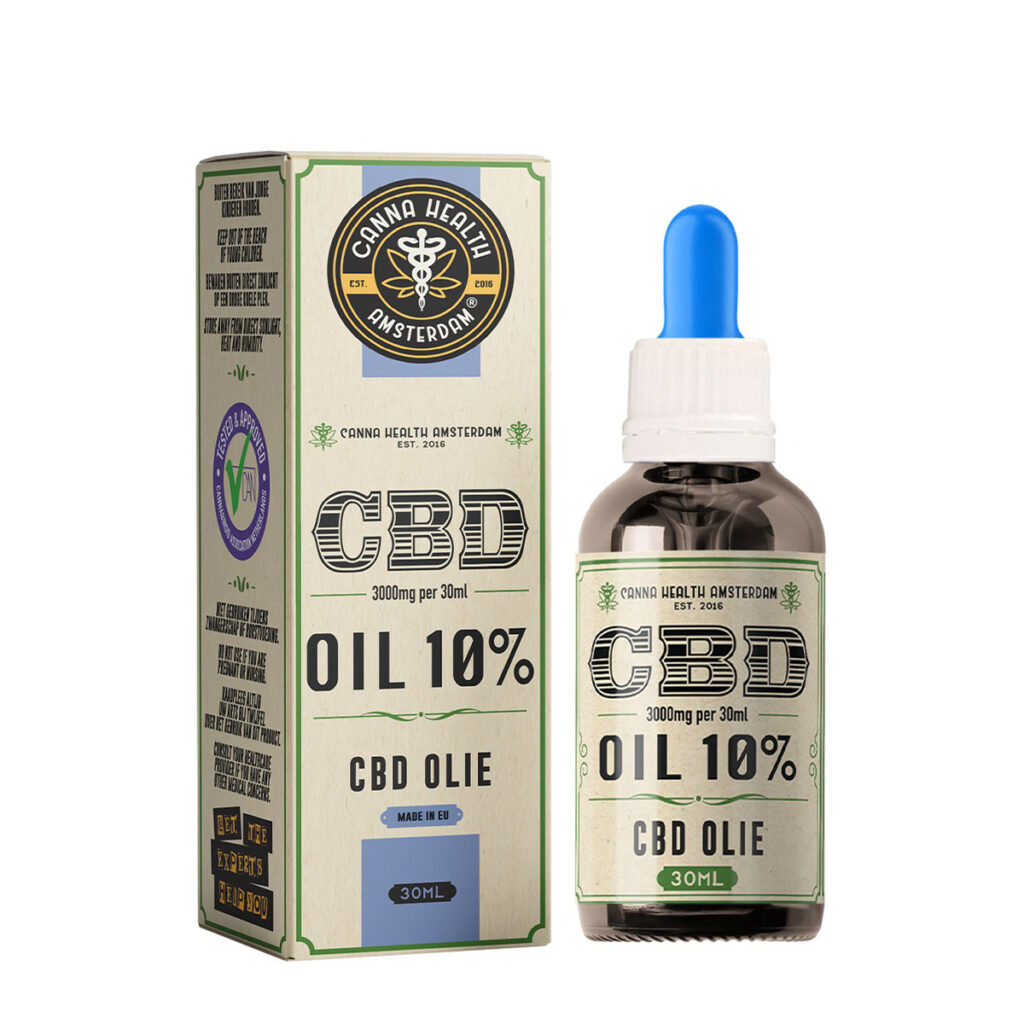
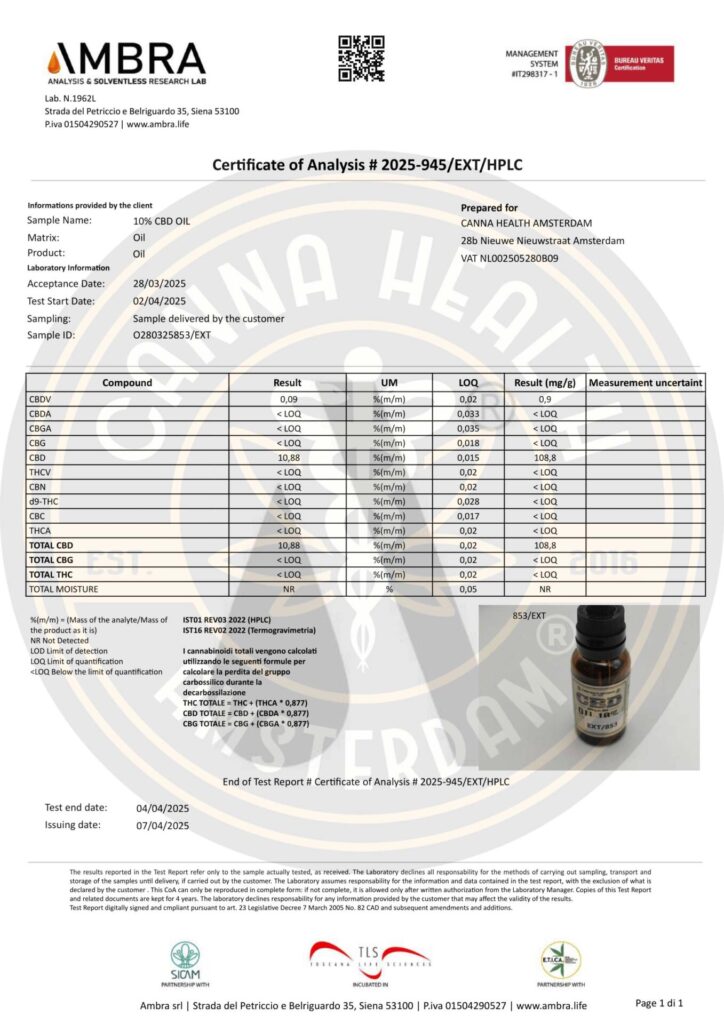
10% CBD Oil – 3000 mg CBD
Kick the stressors of your hectic work and personal life. Experience a profound sense of relief and relaxation with the purest 10% CBD Oil.
CBD binds to brain receptors to improve mood, reduce stress, regulate sleep, and possibly relieve pain. 10% CBD Oil contains 0% THC, which means zero psychoactive effects—you can indulge anytime and anywhere.
100% NATURAL - VEGAN - GLUTEN-FREE - 0% THC

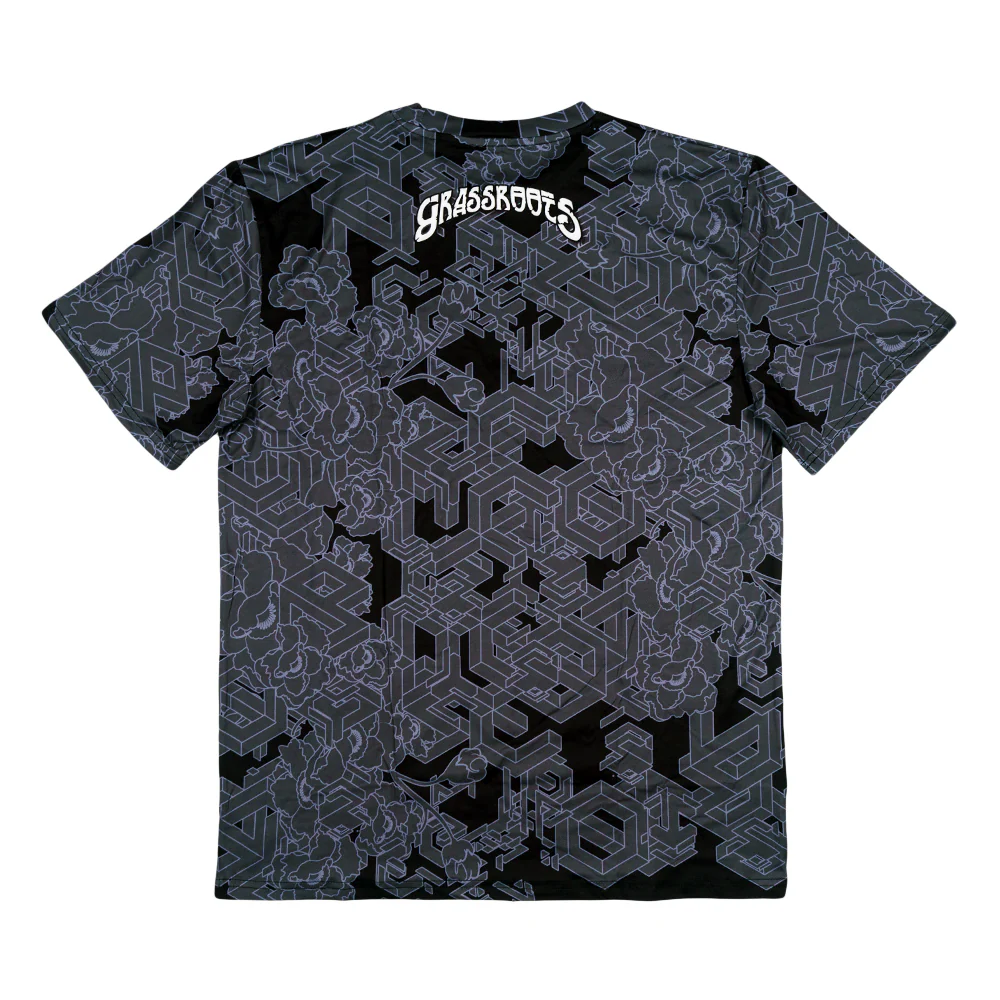
15th Anniversary Black T Shirt
No Return Policy: No returns or exchanges are accepted. Please make sure to review your order carefully before completing your purchase.

20% CBD Oil – 6000 mg CBD
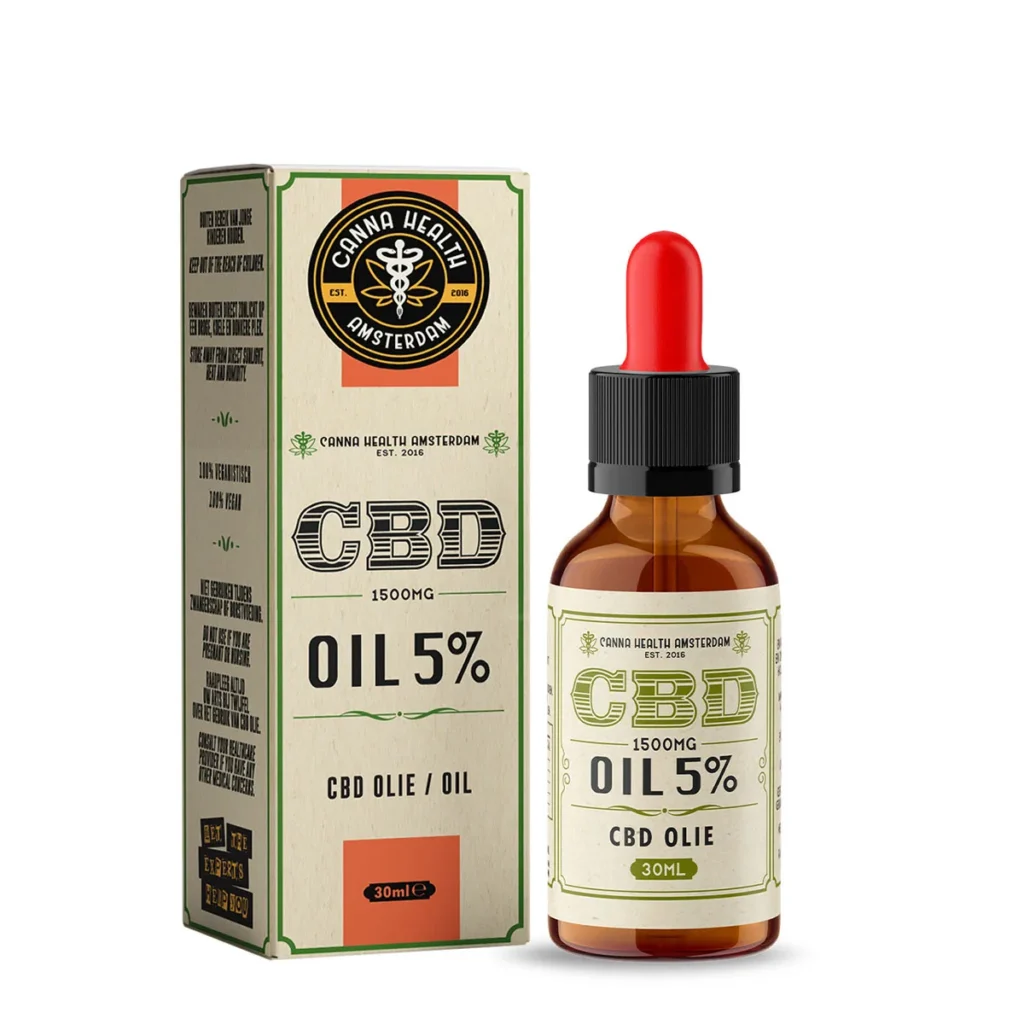
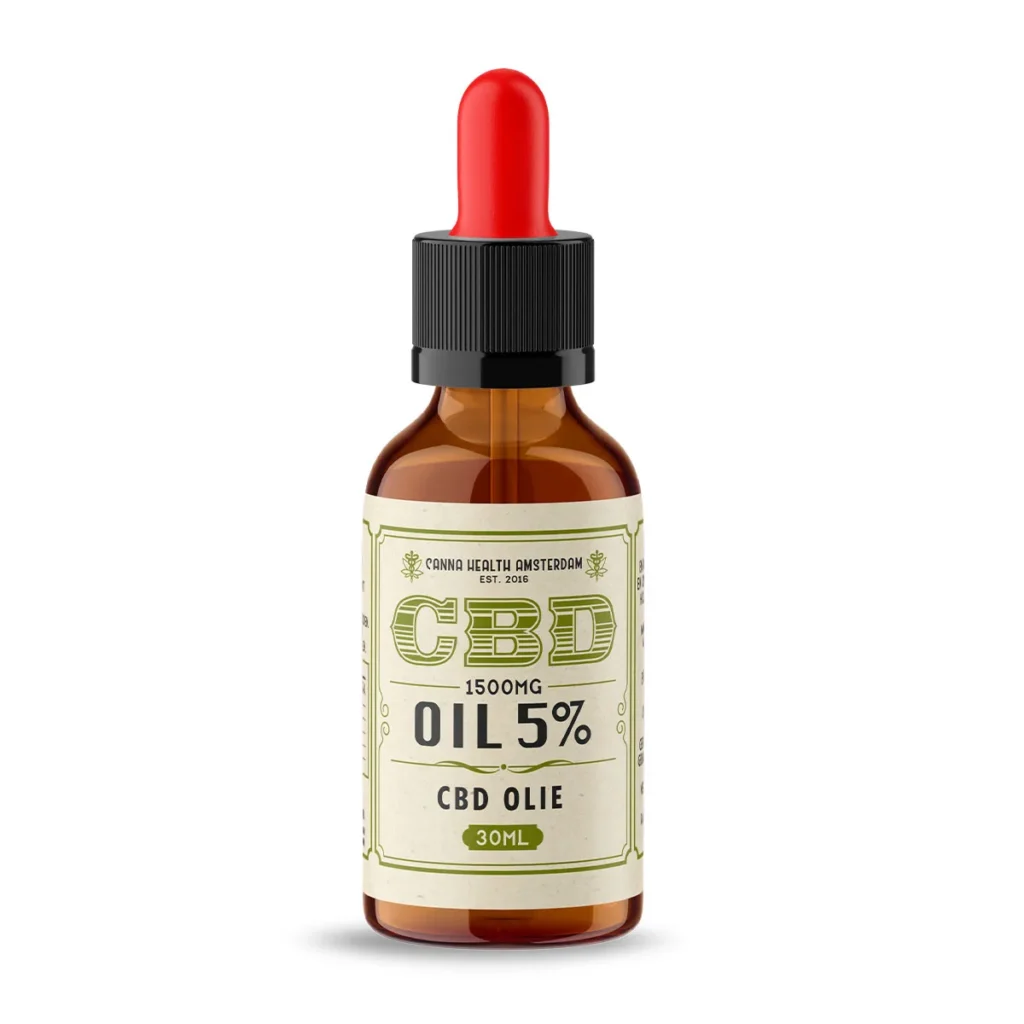
5% CBD Oil – 1500 mg CBD
A clearer mind, uplifted mood, and a state of relaxation.
5% CBD Oil is the product of choice for anyone who wants to enter the wondrous world of CBD benefits. CBD binds to brain receptors to improve mood, reduce stress, regulate sleep, and possibly relieve pain.
100% Natural - Gluten Free - Vegan - 0% THC
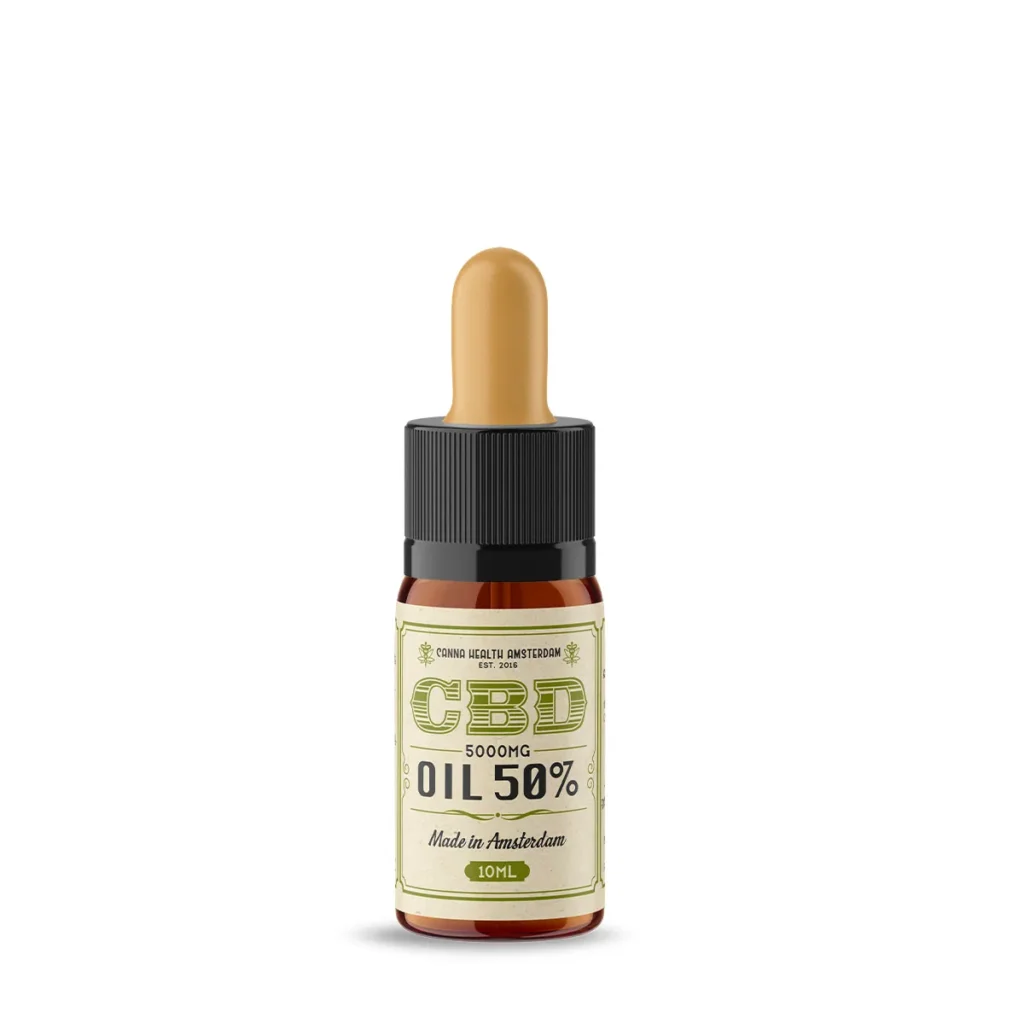
50% CBD Oil – 5000 mg – 10ml
Adaptogenic Mushroom Tincture Bundle – Lion’s Mane, Reishi & Chaga
Banana OG Hybrid Feminized Seeds – Canna Health Amsterdam
Banana feminized seeds – a tropical USA hybrid (Banana OG Hybrid). Sweet banana aroma, high resin production, and a balanced euphoric high. Perfect for all growers!
Bigfoot One Meditation Moodmat
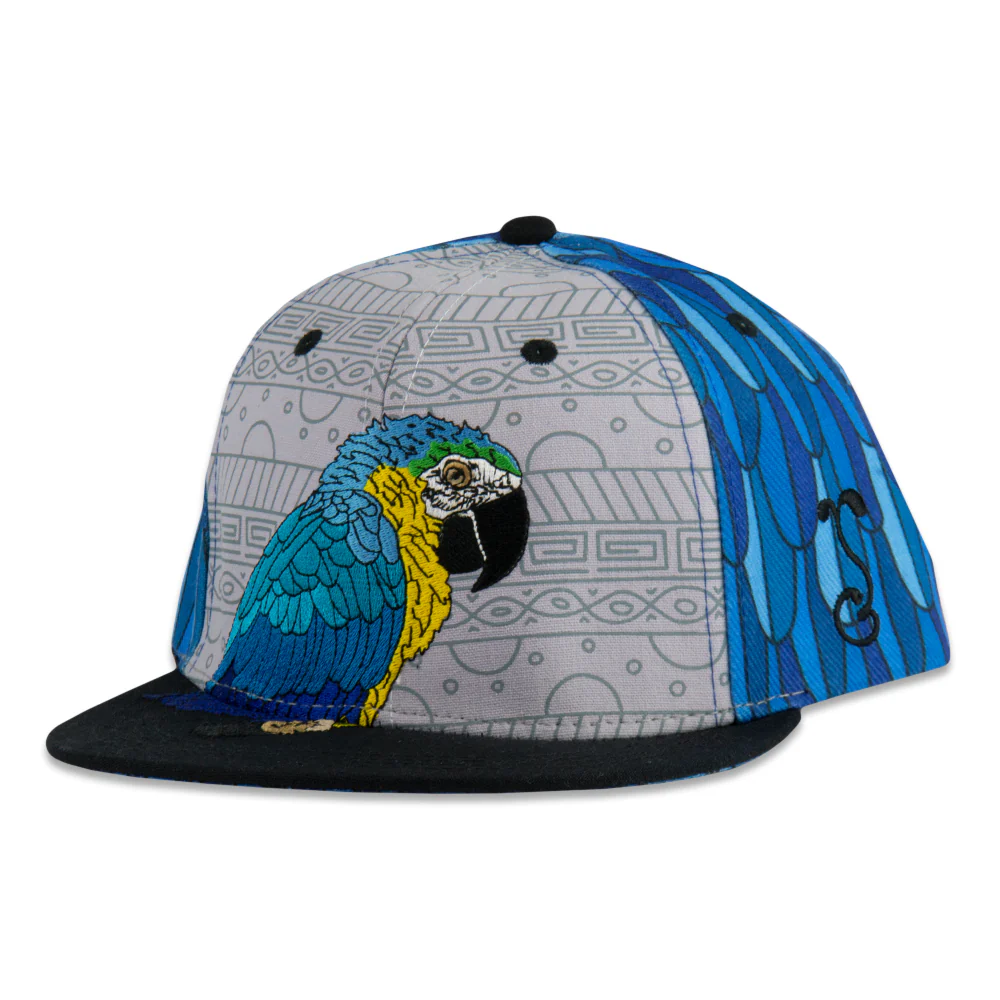
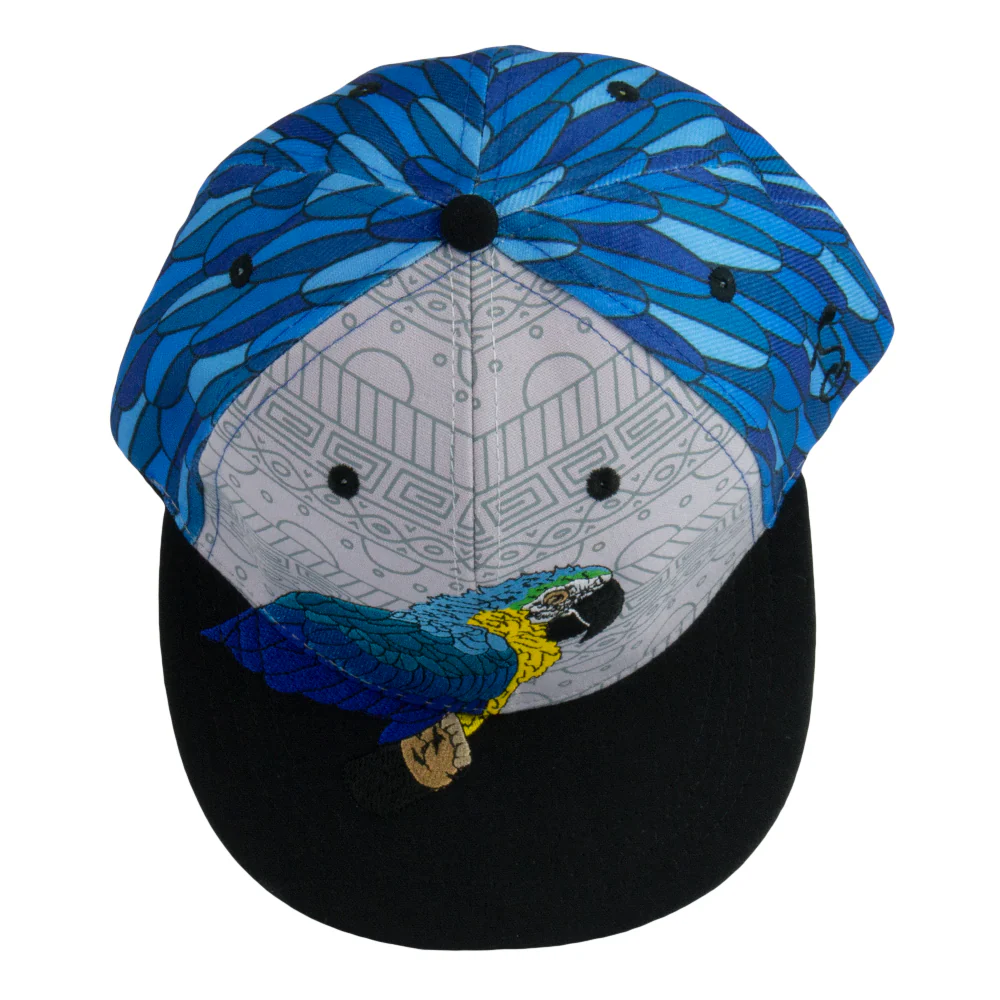
Blue Gold Macaw Feathers Snapback Hat
Introducing the Blue Gold Macaw Feathers Snapback Hat by Grassroots California – a beautifully designed hat featuring fine hemp front panels and a striking embroidered macaw design.
No Return Policy: No returns or exchanges are accepted. Please make sure to review your order carefully before completing your purchase.
Canna Health Amsterdam Official Hockey Jersey – Edition 2016-2021

Canna Health Amsterdam Official Hockey Jersey – Edition 2022

CBD – CBG MASSAGE OIL: Argan Oil & Lavender – 250 mg CBD, 250 mg CBG
Disclaimer: This blog is for informational and educational purposes only. We review and reference available studies and reputable sources; however, content may not reflect the most current research or regulations and should not be taken as medical, legal, or professional advice. We do not make or imply health claims. Products mentioned are not intended to diagnose, treat, cure, or prevent any disease and statements have not been evaluated by EFSA or the FDA. Effects can vary between individuals. Always consult a qualified healthcare professional before use and verify that any product or ingredient is lawful in your jurisdiction.